
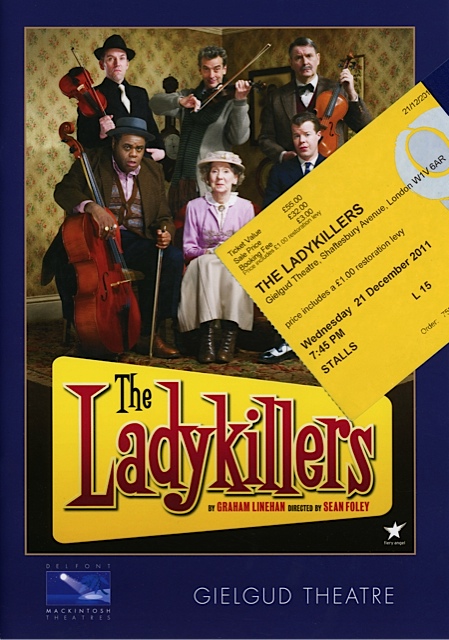
I call them inventory days, those first few weeks of a new calendar year. It is a time when I play secretary to myself, when I organize and catalogue, shelve and throw away, when I look back at the places I’ve been to, the things I have done, the people I have met. Perhaps, I am getting it all wrong: the year is crisp—so, why am I rehashing what has been, obsessively reconstructing the past with the aid of notes in my calendar, correspondences, receipts and ticket stubs? I am not attached to the material evidence of my prior whereabouts and activities, mind. I jot down what I can glean from each scrap of paper and discard it posthaste. The records are gone, but my recordings of them remain. Such nonchalance is the prerogative of a diarist: not to feel obliged to prove—let alone account for—his or her existence to anyone else. I recount events in order to make them count rather than become accountable for them . . .
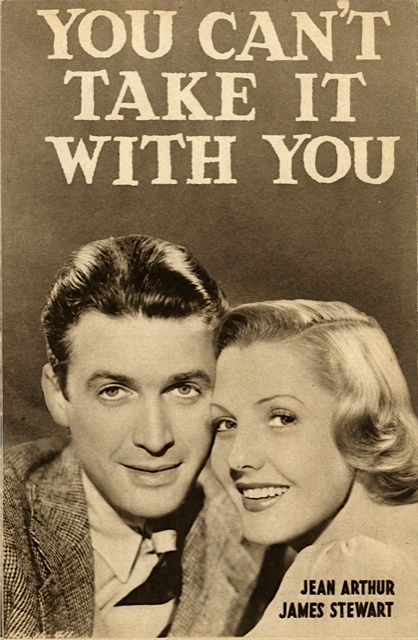
You can’t take it with you—but does that mean I should dispose of whatever I have consumed? I am not quite so indifferent when it comes to artifacts that, unlike my mind and body’s scant body of work, might be of consequence to posterity. I feel free to dispose of a photograph of myself after I scan it; but I am uneasy about doing the same to a piece of ephemera such as this souvenir program (from my collection of motion picture memorabilia). May the copy be a feast for greedy eyes as long as the original is removed from greasy fingers.
Sure, I enjoy surrounding myself with meaningful objects; but, my childhood teddy bear excepting, I am not attached to belongings. To have is utility; to hold, futility.
The chance of having and not holding is what attracted me to the immaterial world of radio dramatics. These days, I mostly collect what goes into one ear and, playing with it, delay the moment at which it comes out of the other. I amass what has no mass: digital recordings, not the physical vehicles on which they used to be stored (shellac, vinyl, magnetic tape).
Everything I have gathered is at my fingertips, nothing is filed away. My world and my vault are one. The files are backed up (this much I have learned from past losses)—but they are ready to go wherever I am. I can take it all with me; and doing so rather than storing things away enriches my life.
That said, I have to learn to cut short my inventory days; last year, they lasted for months. To cut a long time in storage short, I have booked a trip to New York this January. No doubt I will be both gathering new stuff for living and, as my past record tells me, look back and catch up. I know my failings. No saints need apply to preserve me.



 There would have been no soap—and no soap operas—if we didn’t have trepidations about not being quite fresh, anxieties that were over-ripe for commercial exploitation. In the US, tuners-in of the 1930s, ‘40s and ‘50s were constantly being alerted to the dangers of B-O, reminded to ‘Lux’ their ‘dainties,’ and told to gargle before putting their kissers to the test. Lest they could endure facing guilt by omission, listeners lathered up with products like White King toilet soap, the box tops of which they collected and sent in to broadcasters as ocular proof of their hygienic diligence, for which cumulative evidence they were duly awarded various prizes (or premiums).

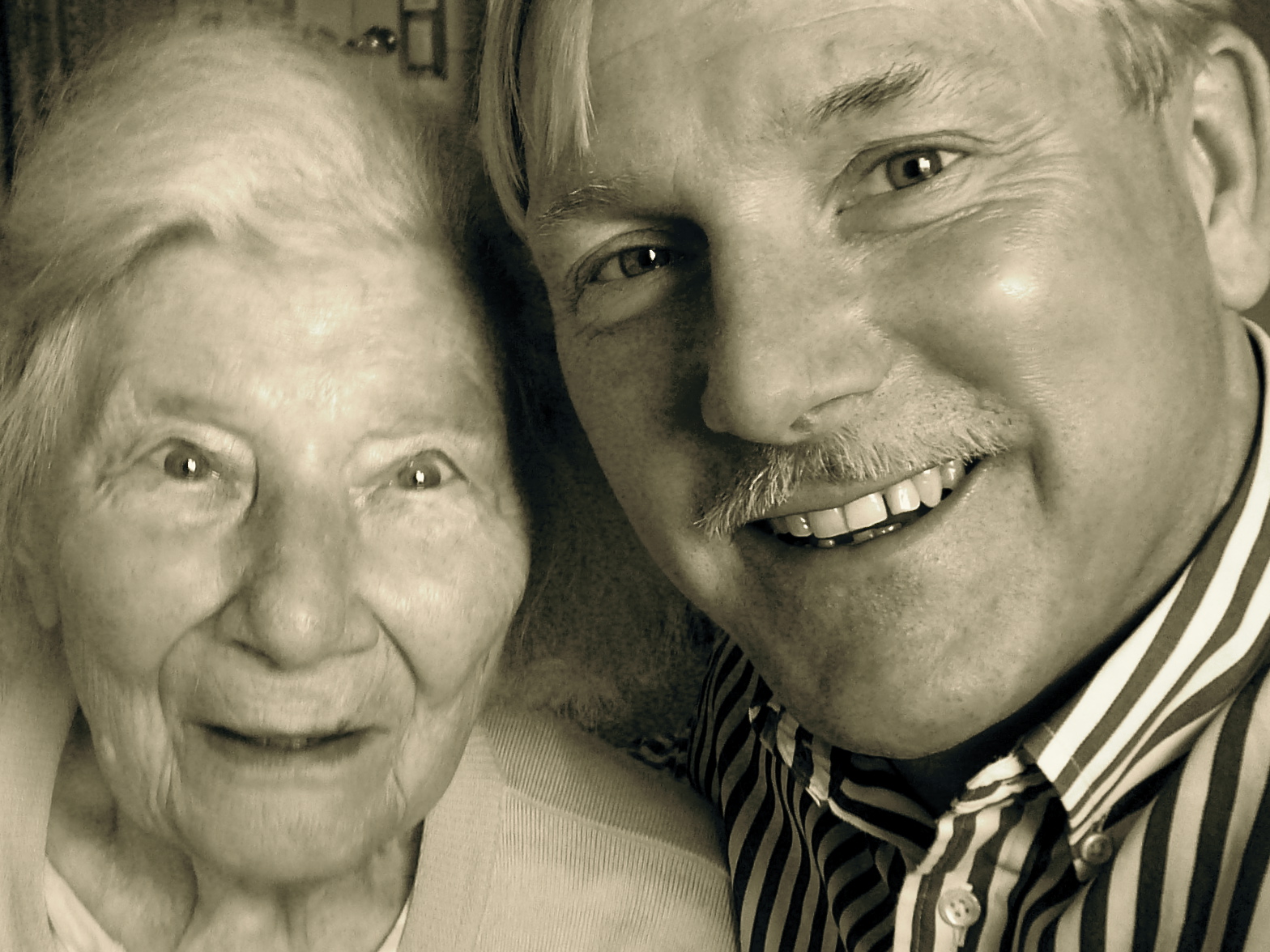

 Harry Heuser