

“She wasn’t the nicest person all the time,” biographer Tom Gilbert puts it mildly; but to say even that much apparently triggers complaints from many Lucy lovers, to whom journalist Mariella Frostrup apologizes in advance. Frostrup’s voice is enough to win anyone over, even though it might make at once forgive and forget what she is saying. Hers has been called the “sexiest female voice on [British] TV”—and the hot medium of radio only accentuates her seductive powers. So, where was I?
Right, “Life With Lucy and Desi.” It wasn’t all love and laughter—especially not for children. Actress Morgan Brittany recalls a scene on the set of Yours, Mine and Ours (1968) in which Ball lost her temper when one of the kids dared to laugh and ruin a difficult take. Native Americans in traditional garb and images of birds likewise irritated her, as did bodily contact. “She didn’t like people being near her,” Gilbert observes.
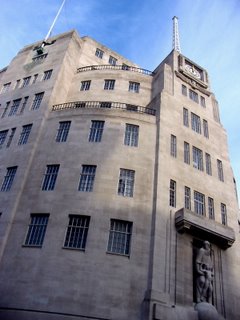
She wasn’t funny, and she wasn’t all that nice. That’s what those stepping behind the microphone for a new hour-long BBC radio documentary have to say about the “real” Lucille Ball, comedienne, businesswoman, and small-screen icon. Not exactly a revelation, to be sure; but you might expect less after reading the blurb on the BBC’s webpage for the program, which revises history by calling I Love Lucy “a zany television series which ran for twenty five years.” Well, let’s not heckle and jibe. The anecdotal impressions of those who can justly claim to have seen both sides of Ms. Ball make “Life With Lucy and Desi” a diverting biographical sketch, however moth-balled the gossip some twenty years after the actress’s death.
She seemed somewhat out of touch as well, even though she got to run the run-down RKO and signed off on Star Trek, a program she assumed, as Gilbert asserts, to be about performers entertaining the troops during the Second World War.
“Life” is further enlivened by numerous recordings from Ball’s career in television, film and radio. My Favorite Husband, I am pleased to note, has not been left out of this phono-biographic grab bag, even though the snippet from the radio forerunner to I Love Lucy airs without commentary; nor is it always clear what it is that we are hearing—no dates or episode titles are mentioned—the clip from My Favorite Husband, for instance, is not identified as being been taken from the 4 March 1949 episode—and the selections seem not merely random, but hardly representative of Ball’s finest moments in this or any medium. When you hear her sing “It’s Today” (from the stage hit turned film dud Mame), you’d wish someone would “strike the band up” to drown out the wrong notes.
The argument this documentary seems to make is that Lucy would not have been Lucy if Desi had not been Ricky. Ball had talent, Brittany concedes, but might have ended up like “Baby” June Havoc, whom Brittany portrayed in Gyspy—a fine performer who never quite reached stardom and who, though still living, is not nearly so well remembered today as to be celebrated—or critiqued—in a radio documentary of her own. She might just have remained the “Queen of the B’s.”
The inevitable Robert Osborne aside, the lineup of folks who knew or at any rate worked with Ball also includes “Little Ricky” Keith Thibodeaux, Peter Marshall (who walked out on a chance of working with Ball), Allan Rich (who played a Judge on Life with Lucy; not, as Frostrup has it, on the Lucy Show) and writer Madelyn Davis (formerly Pugh), who still gets fan mail for having created the durable caricatures that were “Lucy.”
No mention, of course, is made of Hoppla Lucy, viewings of which constitute my earliest television memories (Hoppla Lucy being the title of the German-dubbed Lucy Show). Long before I had breakfast with Lucy when truncated (make that mutilated) episode of her first and finest television series aired on New York’s Fox Five every weekday morning, a truncated version of myself sat down to watch Lucy bake a cake and making a mess of it. I haven’t watched it since, but can still tune in the laugh it produced. Who cares whether or not what I saw was the real Ball. I sure was having one.
Related recordings
My Favorite Husband (4 March 1949)
Related writing
“Havoc in ‘Subway’ Gives Commuters Ideas”
“‘But some people ain’t me!’: Arthur Laurents and ‘The Face’ Behind Gypsy
 Government radio is a cross between a museum and a religious school, dispensing classics and credo, but not especially concerned with new works. Commercial radio is a department store, carrying in stock a few luxury items, a lot of supposedly essential commodities and perhaps too many cheap brands of goods. The radio [as imagined and desired by some who write for the medium] is an artist’s studio, dedicated to creation alone. As such, it is not yet able to stand on its own, and its product must be exhibited in the museum or the gallery of the department store.
 Harry Heuser