
Much of what I know about English literature I learned in the Bronx. The peculiar indirection of my path—a German approaching British culture by taking the Lexington Avenue Express—did not escape me then; and even though I had no doubt as to the qualifications of those who taught me, I decided, upon finishing my Master’s thesis on the Scottish essayist-translator Thomas Carlyle, to go after something that, geographically speaking, lay closer to my temporary home.
Never one for obvious choices, I wrote my doctoral study on US radio drama, a subject that, however arcane, struck me as being rather more compatible with life in a Mecca for the enthusiasts of American popular culture among which I numbered. It also made it possible for me to take advantage of some of the resources particular to Manhattan, the isle of Radio City.
Not that I considered studying British culture so far removed from the Globe Theatre, the Scottish Borders, or the wilds of Yorkshire to be much of a disadvantage, being that I had adopted a subjective mode of reading that favors response over intention, that explores the reception of a written work rather than tracing is origins. Call it rationalizing, call it kidding yourself—I thought that I should make a virtue of vicariousness.
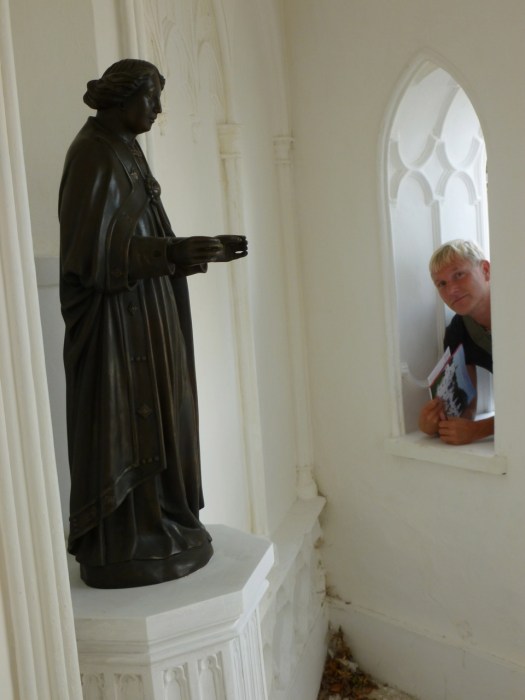
Living in Britain now, I am rediscovering its literature through the landscape rather than by way of the library; and I am finding my way back to those old books by stepping into even older buildings. One such book and one such building is Horace Walpole’s Castle of Otranto (1764), otherwise known as Strawberry Hill.
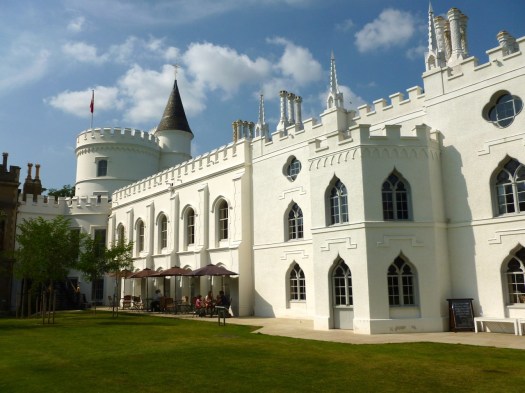
Originally a small cottage in rural Twickenham, Strawberry Hill was transformed by Walpole into a gothic castellino; it also housed the author’s own printing press, although Otranto was published in nearby London. The crenelated battlements were made of wood and needed to be replaced more than once in Walpole’s lifetime. “My buildings are paper, like my writings,” Walpole famously declared, “and both will blown away in ten years after I am dead.” This could well have happened; but, despite the relative weakness of his materials—a spurious medieval romance and the less than solid additions to Chopp’d Straw Cottage—both survive today as a testimony to Walpole’s enduring influence on popular tastes in architecture and literature.
And yet, however exciting the experience, walking around Strawberry Hill after all those years of living and studying so close to Strawberry Fields, Central Park, brought home nothing more forcibly than that getting to the heart of the matter that is art is not a matter of inspection but of introspection. Stripped of most of its furnishings, Strawberry Hill is a tease. Beyond the stained glass windows and the restored façade, there is little left of Walpole’s story or his antiquarian spirit. To be sure, even if Walpole’s library had not been emptied of the contents that makes and defines it, it would remain inaccessible to those looking around now without being permitted to touch and turn the pages.
Visitors to historic houses, like readers of fictions, must always be prepared to supply the fittings, to construct in their mind’s eye what the supposedly first-hand experience of seeing for ourselves can never make concrete and, therefore, never quite smash or supplant. Where, if not in our reading, dreaming, thinking selves does the spirit of literature reside?
The audio guide at Strawberry Hill is a self-conscious acknowledgment of this sightseeing conundrum; it plays like a radio drama—my studies of which have not gone to waste altogether—that teases us with the voices of the dead and the echoes of their footsteps. Our own footfall, meanwhile, is muffled by the protective plastic coverings provided for our shoes at the entrance to the site.
Walpole’s paper house has been given a permanence in the midst of which I am reminded of the paper-thinness of my own existence. What lingers is the anxiety of leaving here—or anywhere—without having left a trace at all.


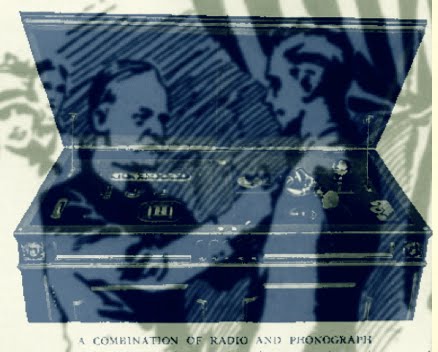
 There would have been no soap—and no soap operas—if we didn’t have trepidations about not being quite fresh, anxieties that were over-ripe for commercial exploitation. In the US, tuners-in of the 1930s, ‘40s and ‘50s were constantly being alerted to the dangers of B-O, reminded to ‘Lux’ their ‘dainties,’ and told to gargle before putting their kissers to the test. Lest they could endure facing guilt by omission, listeners lathered up with products like White King toilet soap, the box tops of which they collected and sent in to broadcasters as ocular proof of their hygienic diligence, for which cumulative evidence they were duly awarded various prizes (or premiums).

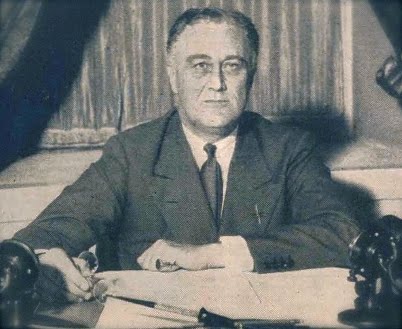
 “As you know, in many countries in Europe the people are only permitted to hear what their government wishes them to hear through government controlled radio stations.” With that reason to be grateful for being an American,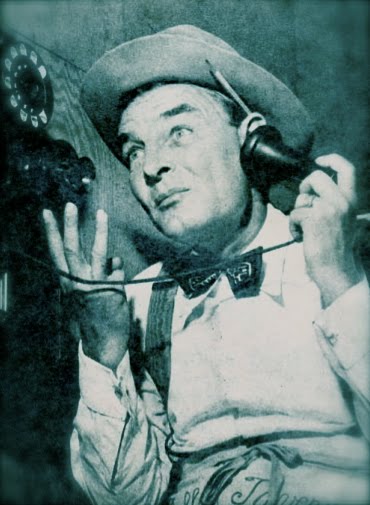

 Harry Heuser