
 Well, you’d expect me to go on about it, wouldn’t you? About the Academy Award for the documentary short “A Note of Triumph: The Golden Age of Norman Corwin,” I mean. Now, I haven’t actually seen the ceremony, shown live in the UK on one of those premium channels that test your willingness to pay yet a little extra for something that used to be free; on the night prior to the Oscars, I enjoyed instead “An Audience with Norman Corwin” (a recording of which is available on the BBC homepage until 10 March). The program features clips of several of the plays I wrote about in my study, including “We Hold These Truth,” “The Odyssey of Runyon Jones,” and experts from the World War II propaganda series An American in England.
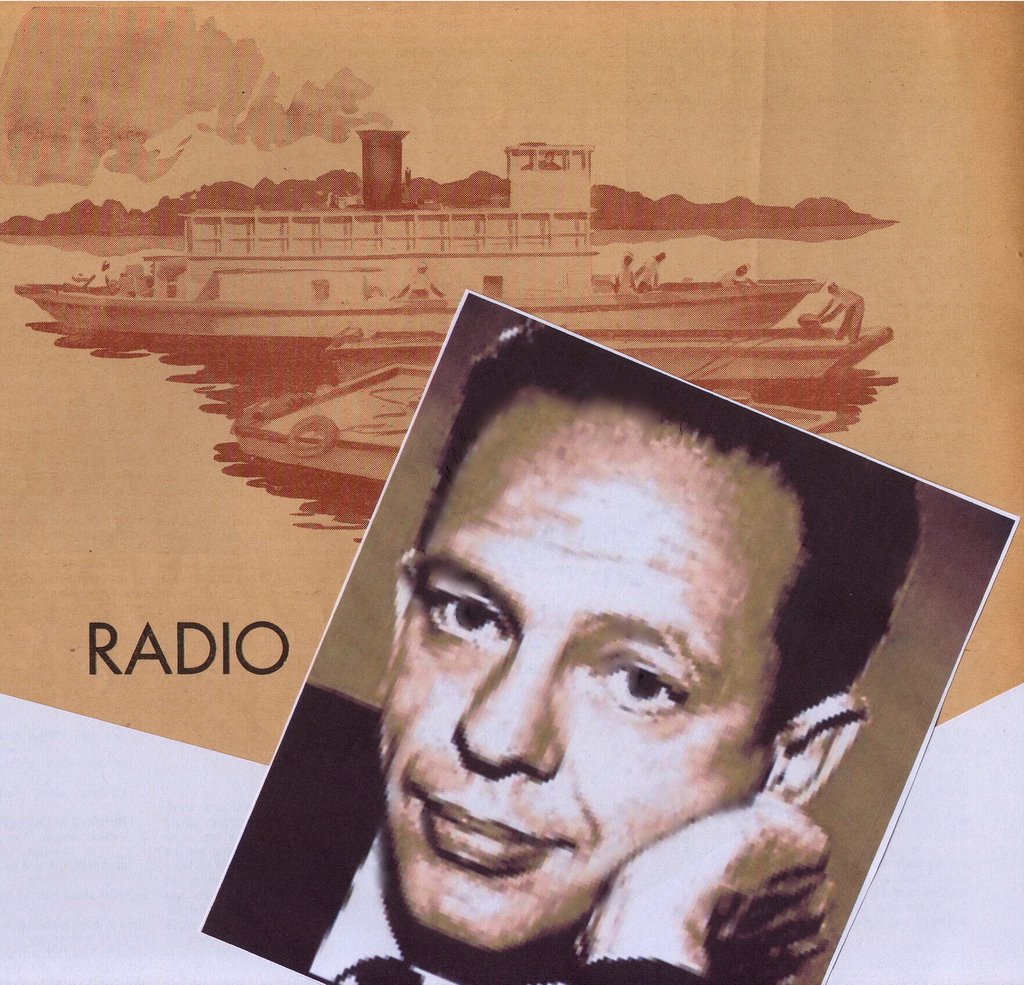
To borrow the title of one of Corwin’s own commemorative pieces celebrating the triumph of the medium, “Seems Radio Is Here to Stay” after all. It is a rare occasion indeed when the visual arts are called upon to serve as a promotional vehicle for the theater of the mind, a theater that stood on shaky ground on the soil of American culture. Too often, old-time radio drama was reduced to the billboarding of motion pictures, to sly efforts of teasing home audiences out of their seats and into the theaters or the arms of the retailers.
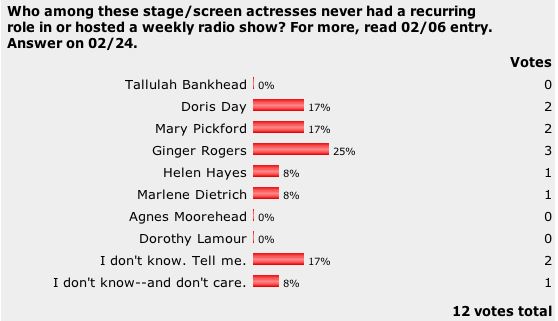
So unless you choose to align yourself with the three unsympathetic passers-by who answered my poll question by stating that they simply “don’t care,” this Oscar win is an occasion for cheer and cautious optimism. I say “cautious” because I also don’t hold with those who argue my statement about the sorry state of and wanting respect for radio drama in the USA to be somewhat exaggerated, let alone patently false.
I assume those aficionados of the wireless are too much among their kind to notice how little the public knows about writers like Corwin, how little evidence there is of their works on the shelves of our stores and libraries. Even Corwin added a tentative “Seems” to his title. Not that he had doubts about its potential excellence, having so often provided evidence of it himself.
What’s so great about keeping one’s eyes closed? Is it an irresponsible drowning out of reality, or a hapless fishing in the shrinking pool of our imaginings? Or is radio just a plaything for those who missed the boat when it comes to modern technology? While I would not recommend it for viewers of American Idol, who’d realize that much of what we think we appreciate in sound is augmented by visuals, a time-out for our over-worked oculars may be a stimulating and downright exciting if perhaps disorienting workout for one of our often underestimated senses.
As Corwin put it in his salute to those already tuning in,
. . . it is good to take a nip of fancy every now and then,
A swig or two of wonderment
To jag the mind.
It’s good to send your thoughts excursioning
Beyond the paved and well-worn alleys of your life
If only as a form of exercise
Especially in wanton days like these.
The “days,” of course, are always “like these,” which makes this a time as good as any to go take that excursion on the airwaves. And should you decide to go sailing, surfing, or simply dipping your toes into that vast sea, come back again, if only long enough to tell me about your adventures. In the meantime, I am going to embark upon my own experiments in radio dramatics, the issue of which, if seaworthy, I might be sharing with you before long.
 Well, only a few short hours ago I was
  Perhaps I shouldn’t be whistling “Consider Yourself” quite so cheerfully today, considering that it was just announced that Jack Wild, Oscar-nominated for his portrayal of Dickens’s Artful Dodger in the 1968 musical Oliver! has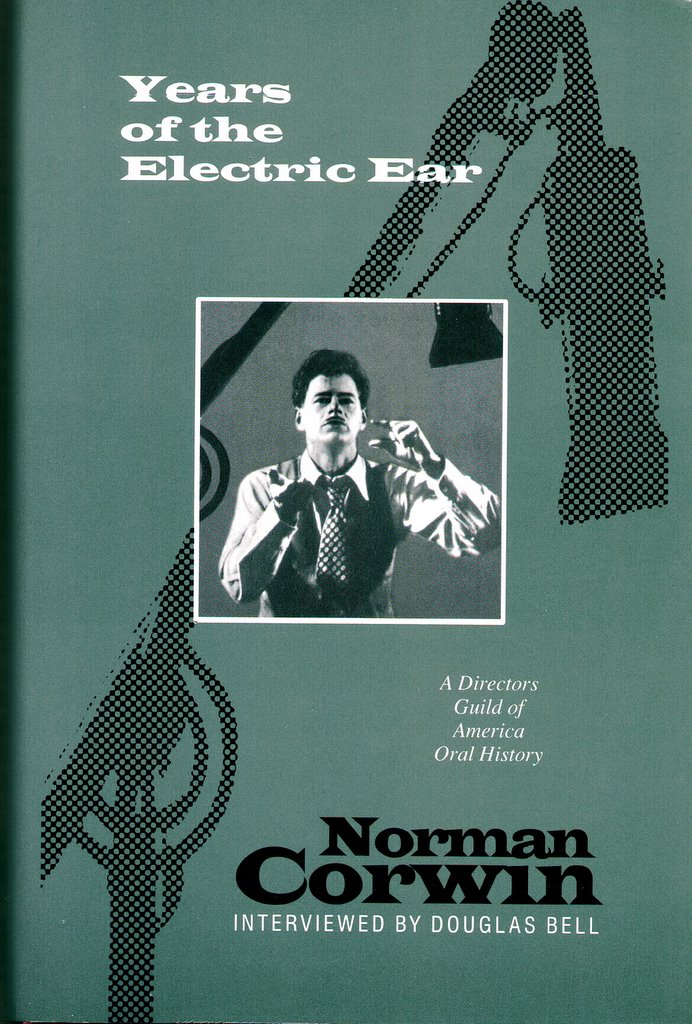



 Harry Heuser